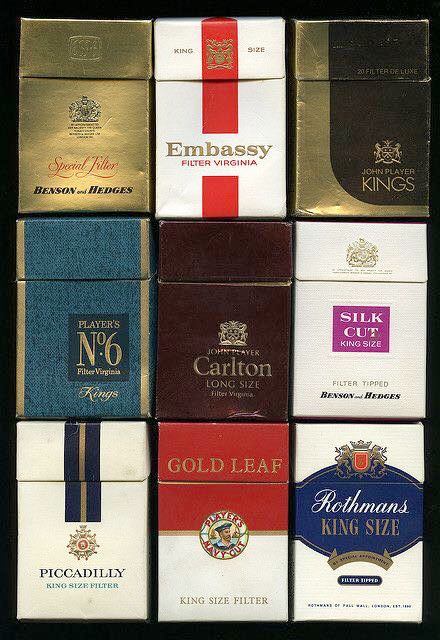
The use of taxes to increase the price of tobacco products is a key policy to prevent smoking uptake, encourage quitting and reduce tobacco consumption,3 ,4 and appears to be particularly effective among the young and the socioeconomically disadvantaged.57 In particular, high prices discourage young people from purchasing cigarettes.8 Overall demand for tobacco is inelastic9 and it has been estimated that in Europe, a 10% price increase reduces cigarette consumption by approximately 57%.911 Price rises are thought to account for approximately one-third of the decline in smoking prevalence in the UK from 27% to 20% between 1998 and 2009.12 ,13 Successive UK governments have progressively increased taxes on cigarettes over recent decades, to the extent that retail cigarette prices in the UK are now among the highest in Europe.14 However, the metrics used to describe tobacco prices, such as the most popular price category (MPPC), and the recently introduced weighted average price (WAP) do not reflect the diversity of product prices on the market, some of which are substantially lower than the MPPC or WAP.15 Hence when prices increase, some cigarette smokers cut down or quit smoking in response, but others might compensate for price increases by switching or downtrading to lower priced cigarette brands16 or to hand-rolling tobacco (HRT), which provides an even cheaper alternative for smokers.17 The availability of these lower priced alternatives, therefore, undermines the use of price as a prevention policy, but the extent to which downtrading occurs, particularly to HRT, has not been well defined in the UK or other markets

If the state passed a 21-year-old law for tobacco sales, it would simply replace the Trumbull ordinance in town
For instance, if you are using a 3mg/ml e-liquid, each puff would deliver 0.3mg of nicotine (3mg/10 puffs)
(Movies like Die Hard and Lethal Weapon are widely celebrated as Secret Christmas Movies